Service-to-Skills Initiative

Building the Workforce America Needs to Reclaim Manufacturing Sovereignty
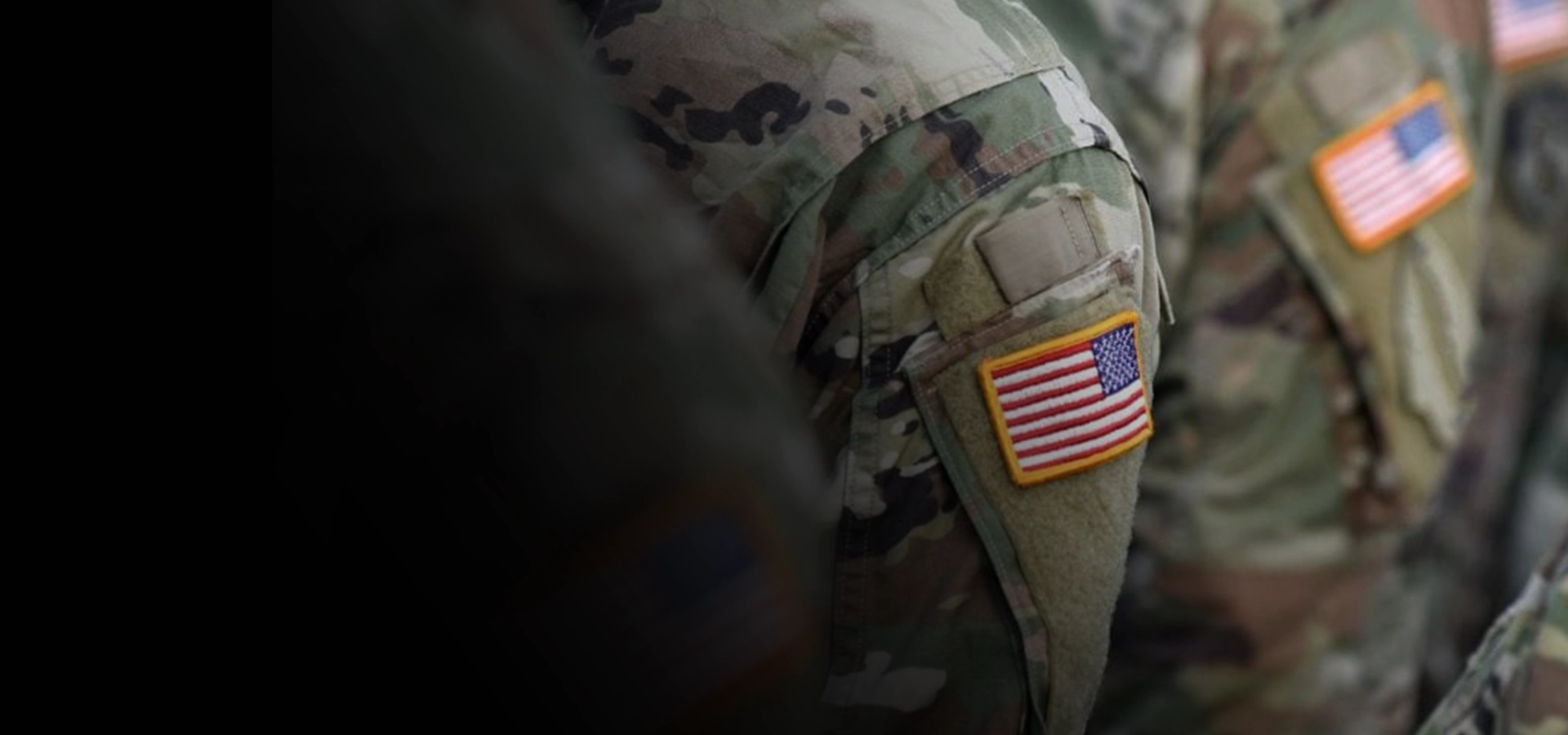
Service-to-Skills Initiative - Building America's Workforce

A vision for printed electronics training that turns service into skills, veterans into technicians, and rebuilds the manufacturing expertise critical to national security.
The Gap We Must Close

The United States is years behind Europe and Asia in printed electronics manufacturing capability—not just in equipment, but in the trained workforce required to operate it.

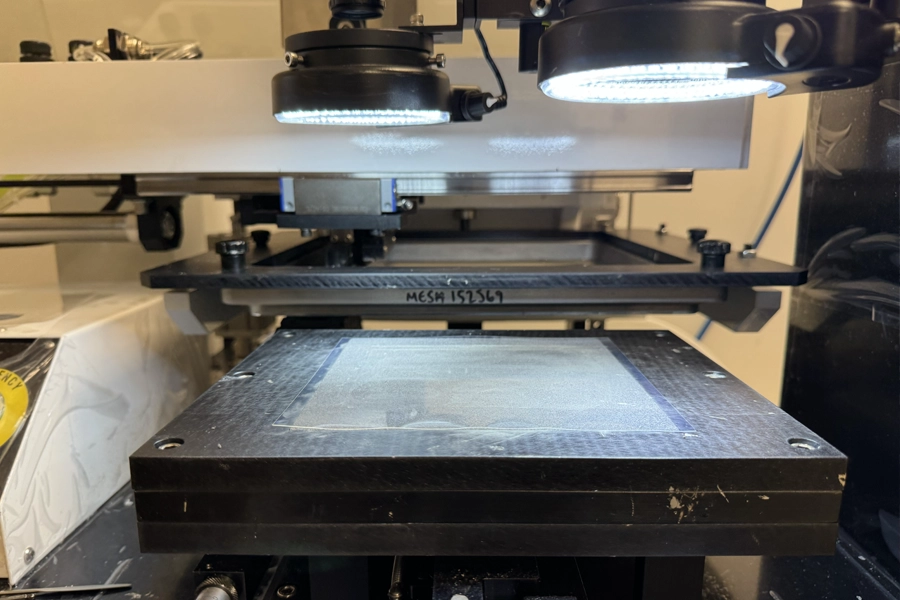
While competitors build domestic expertise in additive manufacturing, roll-to-roll printing, and thin-film production, America lacks even the training infrastructure to develop these skills at scale. Universities don't teach it. Trade schools don't offer it. The knowledge exists in isolated research labs and foreign production facilities—but not in the hands of American workers who could operate tomorrow's sovereign manufacturing platforms.

This isn't just an economic challenge—it's a strategic vulnerability.

R2R Mobile Manufacturing platforms, defense contractor facilities, and domestic electronics production all require operators who understand layer-by-layer additive processes, material science, and quality control for mission-critical components. Without a trained workforce, reshoring manufacturing becomes impossible regardless of funding or equipment.

Manufacturing Training - Supply Chain and Production

Our Vision: Service-to-Skills Initiative

Standard Industries envisions a practical, hands-on training program that transforms the gap into an opportunity—teaching printed electronics manufacturing to veterans, transitioning service members, and underserved communities who are ready to learn but have never been given the chance.

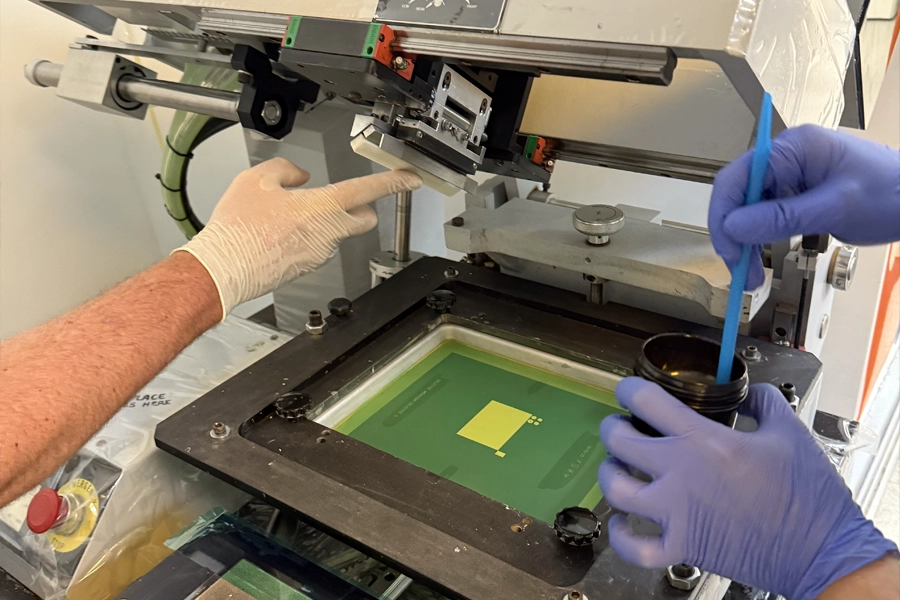
This wouldn't be another classroom program. It would be immersive technical training built around real equipment, production workflows, and industry-recognized certifications that lead directly to employment in defense manufacturing, electronics production, and mobile platform operations.

Students would learn by doing—operating the same systems they'll use in their careers, producing actual components under real quality standards, and graduating job-ready for an industry desperately seeking trained workers.

The mission is simple: Turn service members who defended America into the skilled technicians who will rebuild its manufacturing independence.

Veterans Training - Service-to-Skills Initiative

Curriculum Built for Real-World Impact

Our team has assembled a comprehensive training pathway

Additive Manufacturing Fundamentals

Layer-by-layer thin-film deposition, substrate preparation, material handling

Screen Printing & Production Systems

Equipment operation, process control, troubleshooting

Printed Electronics Applications

Antennas, sensors, circuits, power distribution, thermal systems

Quality Control & Testing

Inspection protocols, electrical testing, failure analysis

Materials Science Basics

Conductive inks, substrates, encapsulation, environmental durability

Chain-of-Custody Manufacturing

Security protocols for classified and sensitive production environments

Why Veterans Are the Answer

They Already Have What Manufacturing Needs

Veterans bring discipline, adaptability, attention to detail, and mission focus—exactly the qualities required for precision manufacturing in high-stakes environments. Operating R2R platforms in forward environments or producing defense electronics in classified facilities demands the same reliability and operational discipline service members demonstrate every day.

Technical Foundation Ready to Build On

Many transitioning service members already have electronics, maintenance, or technical backgrounds from military occupational specialties. Printed electronics training would build on existing skills while opening pathways into emerging manufacturing sectors with long-term career growth—careers that don't exist yet because the workforce doesn't exist to fill them.

A Workforce Strategy That Serves Multiple Missions

Creating a veteran-focused pipeline for printed electronics manufacturing would accomplish national priorities simultaneously: veteran employment in high-skill careers, manufacturing sovereignty through a domestically trained workforce, defense readiness, and economic resilience.

Direct Pathways to Meaningful Careers

R2R Mobile Platform Operators

Graduates would be ideal candidates for operating mobile manufacturing systems deployed to forward bases, defense contractors, or classified facilities. Training designed specifically for R2R operational requirements would make the transition from program to deployment seamless.

Defense Contractor Employment

Partnerships with defense primes and electronics manufacturers would create direct hiring pipelines. Graduates would enter facilities already certified and experienced—eliminating months of on-the-job training and reducing hiring risk.

Commercial Manufacturing Growth

The skills learned would apply across printed electronics, flexible hybrid electronics, and additive manufacturing sectors—industries experiencing rapid growth and facing acute workforce shortages. Graduates wouldn't just find jobs—they'd enter careers with decades of opportunity ahead.

Program Structure We Envision

Intensive, Outcome-Focused Training

  • 12-16 week programs combining classroom instruction and hands-on production experience
  • Modular curriculum allowing students to specialize in specific technologies
  • Flexible scheduling accommodating veterans using GI Bill benefits or transitioning while still in service

Accessible to Those Who Served

  • Honorably discharged veterans and transitioning service members as primary participants
  • Expanded access for underserved communities through partnership programs
  • No prior manufacturing experience required—programs would start with fundamentals

Financially Sustainable

  • GI Bill approved training programs ensuring veterans can participate without financial burden
  • Partnership funding through workforce development agencies and Department of Labor initiatives
  • Corporate sponsorships from defense contractors seeking trained employees

The National Impact We Could Achieve

Reshoring Manufacturing Requires More Than Machines

Equipment alone doesn't reshore manufacturing—people do. Every R2R platform, every defense electronics facility, every sovereign production line requires skilled operators who understand printed electronics. This initiative would create that workforce at scale.

Accelerating America's Catch-Up

While Europe and Asia have built printed electronics expertise over decades, America could accelerate catch-up through focused, outcome-driven training programs that leverage our greatest asset—veterans with proven discipline and technical aptitude.

Building Tomorrow's Infrastructure Today

This isn't about preparing workers for today's jobs—it's about creating the workforce that will operate tomorrow's sovereign manufacturing infrastructure. This initiative would build it before competitors do.

What We Need to Make This Real

Standard Industries has the technical expertise, manufacturing knowledge, and equipment relationships to design and deliver this training. What we need are partners who share the vision.

Government Partners

  • Department of Defense & VA: Integration with veteran transition programs and credentialing pathways
  • Department of Labor: Workforce development funding and apprenticeship program frameworks
  • State Workforce Agencies: Regional program delivery and employer connections

Industry Partners

  • Defense Contractors: Hiring pipeline commitments and equipment/facility support
  • Manufacturing Associations: Industry standards development and credential recognition
  • Equipment Manufacturers: Training system donations or partnership pricing

Educational Partners

  • Community Colleges & Technical Schools: Curriculum delivery, facilities, and student support services
  • Veteran Service Organizations: Outreach, recruitment, and wraparound support for participants

An Invitation to Build This Together

The gap exists. The need is urgent. The workforce is ready—they just need the training that no one has built yet.

Standard Industries is proposing the Service-to-Skills Initiative not as a product to sell, but as a mission to undertake together with partners who understand what's at stake.

Contact Us to Discuss Partnership Opportunities
