Quantum-grade security through physically unclonable optical structures generating dynamic, per-event passkeys that exist only at the moment of verification—then disappear forever.

Traditional authentication - TOTP-based authenticators, software token authenticators, RFID, barcodes, even blockchain—relies on storing passwords somewhere accessible for verification. That "somewhere" becomes the target: cloud databases, centralized servers, encrypted keys waiting to be intercepted. Counterfeiters don't need to replicate the tag—they just need to breach the database.
Standard Industries' Transmissive Active Gallium or TAG Security Technology eliminates this vulnerability entirely. Our system generates dynamic, one-time passkeys at the exact moment of authentication, derived from physically unclonable optical structures manufactured using semiconductor processes.
The passkey exists for seconds during verification, then is destroyed immediately. Unlike static systems that store authentication data in accessible locations, our technology generates verification codes at the moment of use. The authentication process operates without network connectivity or cloud database queries, eliminating centralized vulnerabilities.
Each tag is mathematically unique—impossible to replicate even by the manufacturer. Authentication keys are stored on the physical tag structure itself, not in hackable cloud storage. The random nature of the structure is fundamental to its physics, not its programming—making replication impossible.
This isn't incremental improvement over existing systems.
It's a paradigm shift from database-dependent security to physics-based authentication that operates offline, in any environment, without network connectivity. When failure isn't an option—defense electronics, high-value pharmaceuticals, classified assets, critical infrastructure—Standard Industries delivers unclonable verification that adversaries cannot compromise.
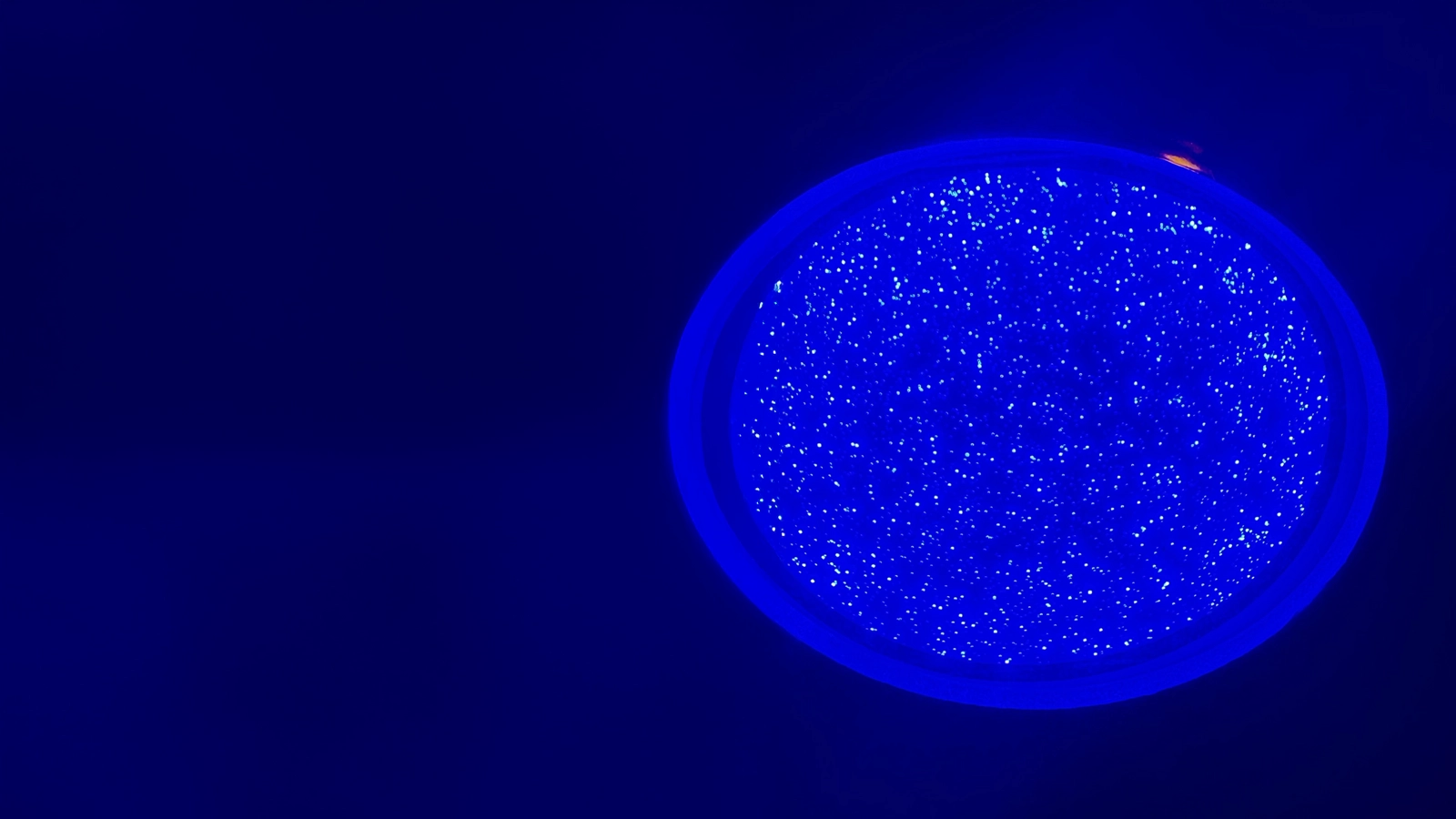
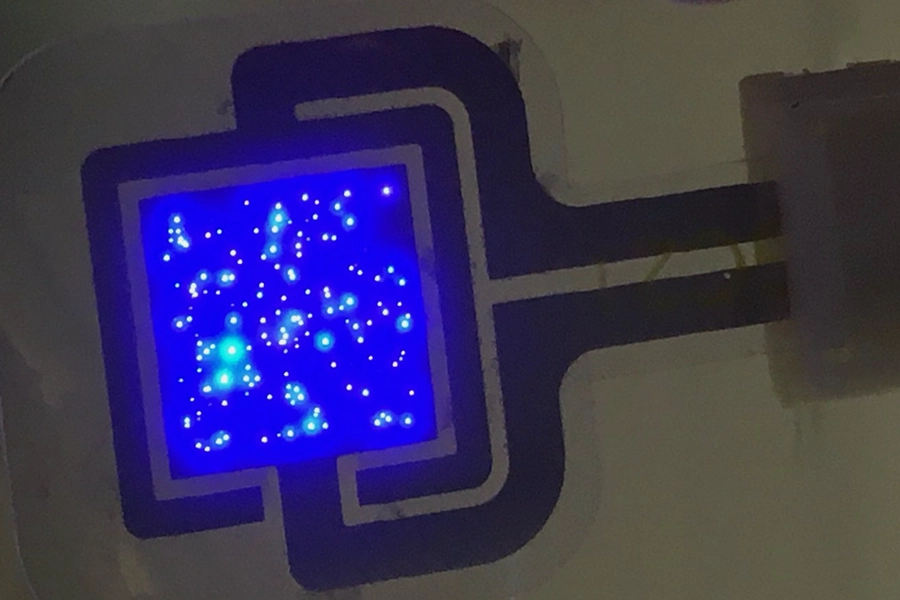
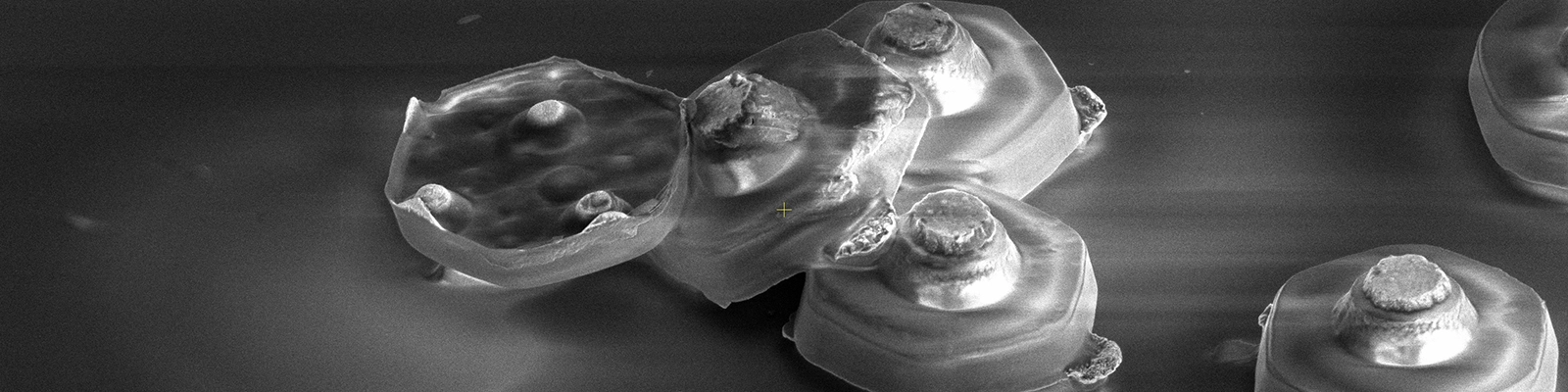
Standard Industries' authentication technology leverages semiconductor manufacturing processes—grown on sapphire wafers using cleanroom-controlled deposition—to create optical structures with inherent randomness at the microscopic scale. Each authentication tag contains a unique physical fingerprint that cannot be duplicated, even with knowledge of the manufacturing process. The random nature of the structure is fundamental to its physics, not its programming—making replication impossible.
Unlike static systems that store authentication data in accessible locations, our technology generates verification codes at the moment of use. The authentication process operates without network connectivity or cloud database queries, eliminating centralized vulnerabilities. Keys exist only during the verification event—measured in seconds—then are destroyed, leaving no residual data to intercept.
The technology supports variable security architectures depending on application requirements:
Authentication works with standard smartphone capabilities—no specialized readers, infrastructure, or network connectivity required. The verification process is instant (under 2 seconds), works offline in any environment, and provides cryptographic-level certainty without exposing system architecture.
Chain-of-custody authentication for components, electronics, and systems where foreign interdiction or counterfeit infiltration creates operational risk. Covert taggants for secure identification. Access control for classified facilities and equipment without network dependencies.
Authentication for high-value medications (biologics, oncology, specialty drugs) vulnerable to counterfeiting. Cold chain verification combining temperature/location data with unclonable product authentication. Patient-level smartphone verification ensuring medication authenticity.
Luxury goods, collectibles, and high-end products requiring verifiable authenticity. Supply chain verification where counterfeit substitution threatens brand integrity or safety. Government documents and bearer instruments requiring unclonable validation.
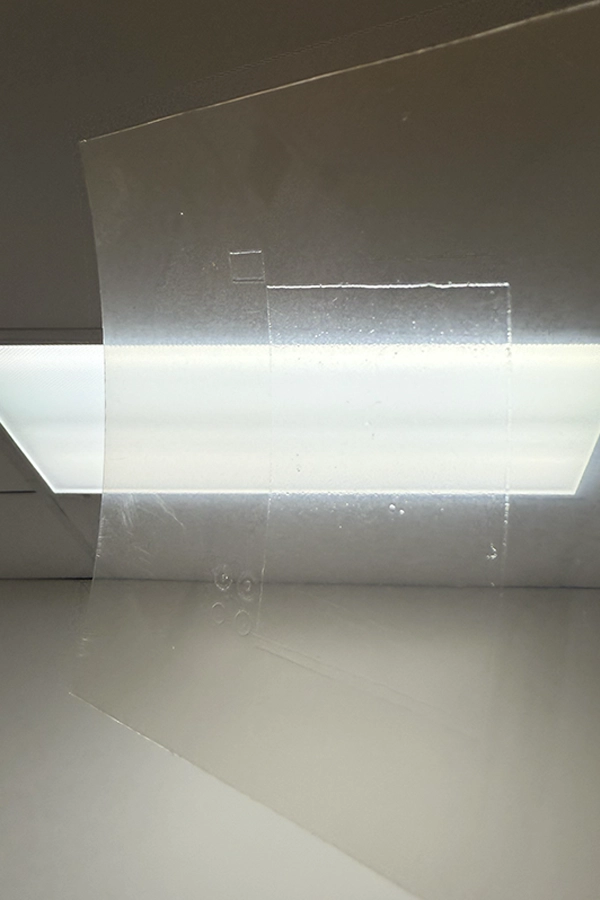
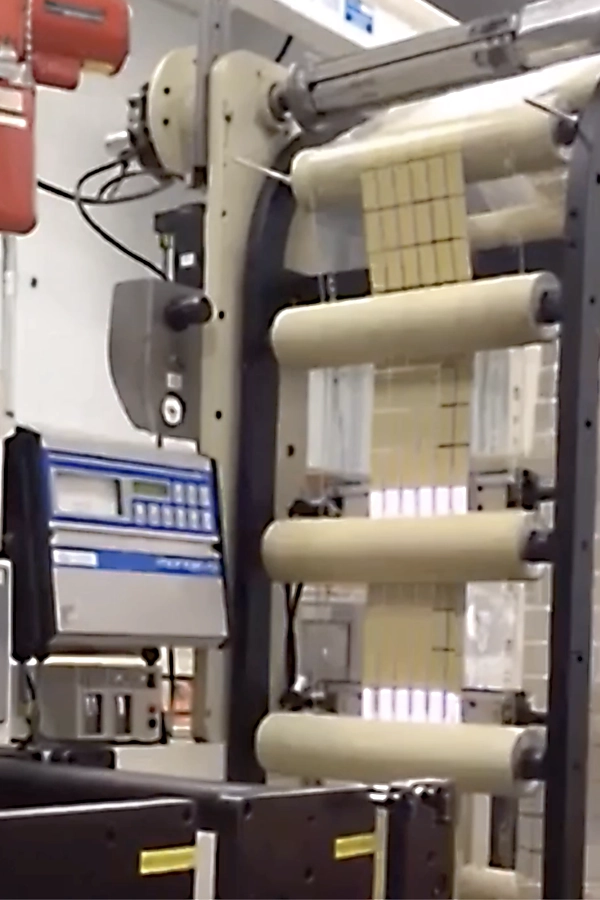
Additive printing processes compatible with existing label manufacturing infrastructure. Production speed measured in fractions of a second per tag. Cost-competitive with RFID ($0.50-$1.00 per tag at scale) while delivering superior security.
Four issued U.S. patents covering random optical structure authentication, wavelength conversion security layers, and manufacturing processes. Unlike competing technologies, our patents protect the fundamental concept—not just specific implementations.
Regulatory mandates (FDA DSCSA), defense supply chain vulnerabilities, and the pharmaceutical counterfeiting epidemic ($75B annually, 100,000+ deaths) have created urgent demand for authentication that cannot be compromised.
RFID infrastructure is being deployed now—creating an 18-24 month window before systems become entrenched and switching costs become prohibitive.
Adversaries aren't just counterfeiting products—they're mapping supply chains, infiltrating defense electronics, and exploiting database vulnerabilities faster than traditional security can respond. Cloud-based authentication creates centralized targets.
Standard Industries eliminates the target entirely.
We're seeking partnerships with organizations requiring authentication that adversaries cannot breach, replicate, or circumvent.
Contact Us for Partnership Discussions